
Blog
Blog
How to Build a Healthcare AI Agent with Gemini 2.0 Without Breaking Guardrails
Kate Kondrateva · 13 August 2025
The “Recipe” for a Safe Medical AI
Base Model: Gemini 2.0 Flash
Specialized Agents:
- Dialogue Agent: Conducts patient interviews, gathers files, drafts summaries, and suggests possible differential diagnoses.
- Guardrail Agent: Ensures no individualized medical advice is given, protecting patient safety and compliance.
- SOAP Agent: Generates complete Subjective, Objective, Assessment, Plan notes, plus a patient-friendly draft message.
Clinician Cockpit: A dedicated interface for physicians to review, edit, and finalize all outputs.
Strict Guardrails: All clinical decision-making remains in the hands of licensed healthcare professionals.
How Google Validated the Healthcare AI
The system, called g-AMIE, underwent testing with 60 clinical case scenarios designed by an Objective Structured Clinical Examination (OSCE) lab.
Three groups were compared under identical “no medical advice” rules:
- g-AMIE
- Early-career primary care physicians (PCPs)
- Nurse practitioners/physician assistants (NPs/PAs)
Independent physicians scored each group on:
- Quality of history-taking
- Completeness of SOAP notes
- Diagnostic appropriateness
- Demonstrated empathy
Key Results from the Study
- 0 guardrail breaches: g-AMIE did not provide personalized medical advice in any case.
- Superior SOAP note quality: More complete and accurate than both human control groups (p < 0.05).
- Better patient communication: Patient-friendly messages were accepted in most cases and often preferred by patient actors.
- Improved physician workflow: Oversight PCPs reported a smoother experience reviewing g-AMIE cases compared to human-initiated ones.
Why This Matters for AI in Healthcare
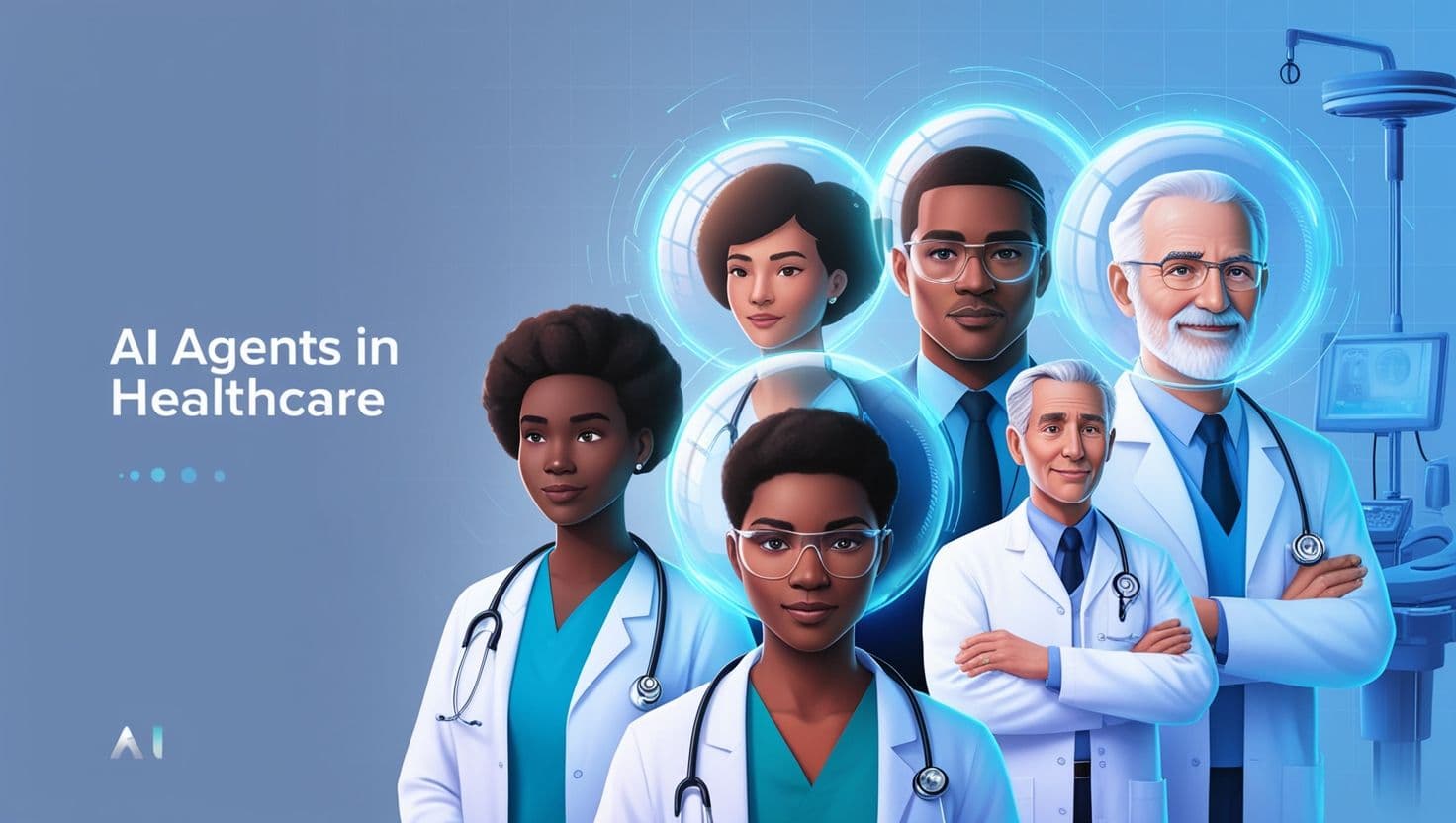
This research is a strong proof-of-concept that AI can enhance healthcare workflows without replacing clinicians or compromising safety.
By combining:
- Multiple specialized agents
- Strong guardrails
- Rigorous real-world validation
Google demonstrates a blueprint for safe, reliable medical AI deployment.
Read the full research “cookbook” here: Google Research Paper
Final Thoughts:
AI in healthcare doesn’t have to be a compliance risk, with the right design and oversight, it can become a trusted clinical partner. At Atelic its our intention to be extremely cautious and work within the guardrails of our partners, customers and solutions providers. Having experienced first hand the risks and watchouts we are well positioned to solve your biggest challenges.
Contact Kate@atelic.ai to discuss your healthcare needs.